

What Materials Can Microwaterjet® Cut? A Complete Material Guide
Modern manufacturers rely on Microwaterjet® technology for its extreme precision, clean edges and minimal material distortion. One of the primary advantages of abrasive waterjet micromachining is its ability to cut an exceptionally wide range of materials, including materials that are difficult, if not impossible, to machine effectively with traditional laser or EDM processes.
Because Microwaterjet® is a cold cutting technology, it does not generate heat during the cutting process. This helps preserve material integrity while enabling precise cuts across both delicate and ultra-hard materials.
In this guide, we’ll explore the most common materials cut by waterjet, how different materials respond to the process and why Microwaterjet® is the preferred solution for advanced manufacturing applications.
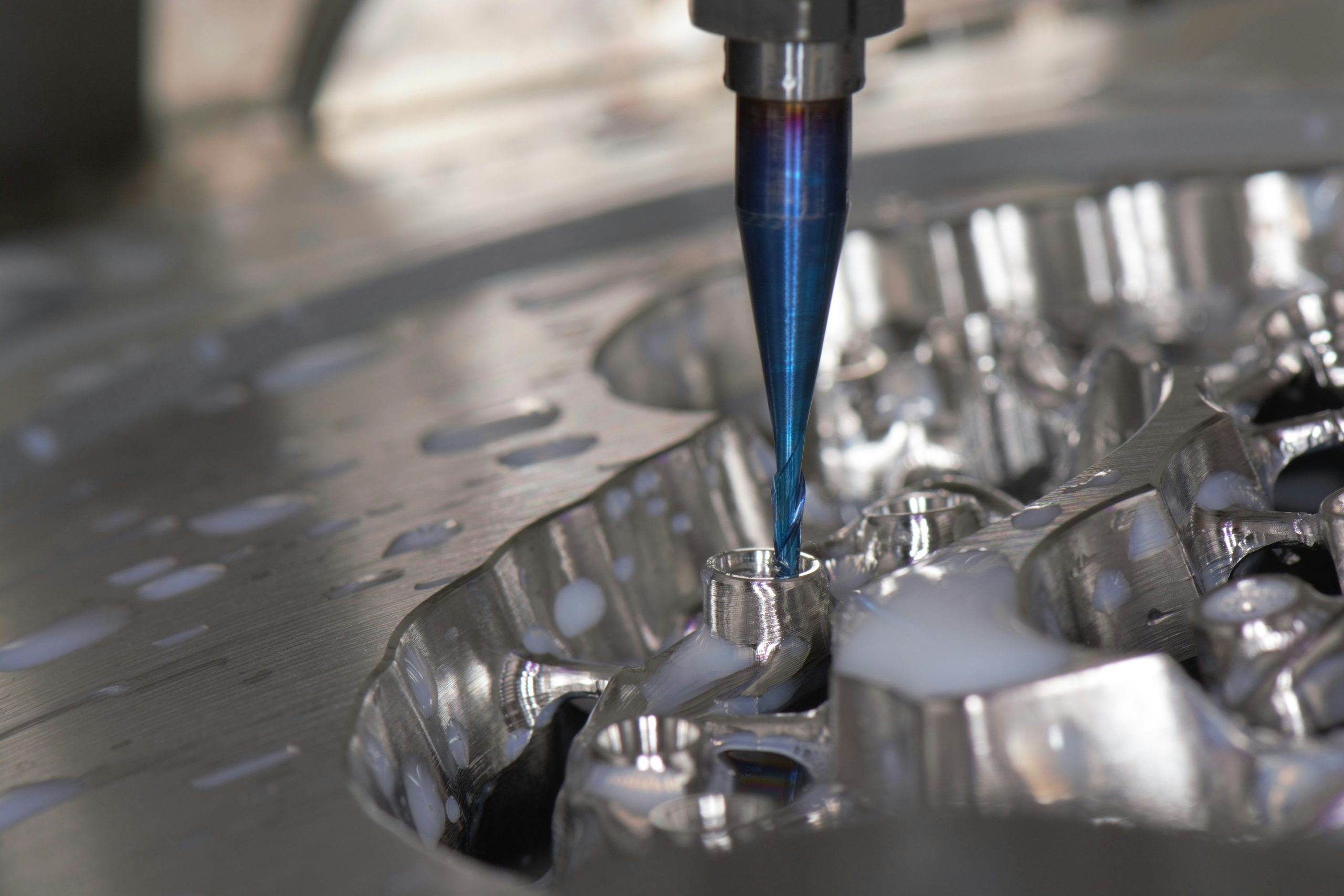
Unlike thermal cutting technologies, Microwaterjet® uses a high-pressure stream of water mixed with fine abrasive particles to erode material with extreme precision. This non-thermal process offers several important advantages:
- No heat-affected zone (HAZ)
- No material warping or thermal distortion
- Burr-free cutting with excellent edge quality
- Ability to cut conductive and non-conductive materials
- Reduced need for secondary finishing
These advantages significantly expand Microwaterjet®’s material capabilities compared to conventional cutting methods.
Common Materials Compatible with Microwaterjet®
Curious what common materials are ideal for Microwaterjet®? It’s a versatile technology that works with many materials. We’ve compiled a list of some examples below.
| Material Type | Common Examples | Why Microwaterjet® Works Well |
| Metals & Alloys | Stainless steel, titanium, nitinol, inconel | No heat distortion, tight tolerances |
| Ceramics & Hard Materials | Zirconia, alumina, sapphire | Reduced cracking and chipping |
| Composites | Carbon fiber, Kevlar, fiberglass | No delamination or fiber pullout |
| Plastics & Polymers | PEEK, PTFE, polycarbonate | No melting or burned edges |
| Glass & Brittle Materials | Glass, silicon, quartz | Minimal edge damage |
| Layered Materials | Honeycomb, sandwich composites | Clean cuts across multiple layers |
This versatility makes Microwaterjet® one of the most adaptable precision cutting methods available for advanced manufacturing. Let’s get into the details of how Microwaterjet® works with some of these material types.
Metals and Alloys
Microwaterjet® excels at precise metal cutting, especially for high-performance alloys commonly used in aerospace, medical and industrial manufacturing. Because the process introduces no heat, it helps preserve the original properties of hardened or heat-treated materials. Some advantages:
- Excellent for cutting stainless steel microcomponents
- Prevents heat distortion and microcracking
- Maintains material hardness and integrity
- Supports tight tolerances and intricate geometries
- Produces burr-free cutting results
Composite Materials
Composite materials are increasingly used because of their strength-to-weight ratio, but they are notoriously difficult to machine using traditional methods. Microwaterjet® provides clean, accurate cuts without fiber pullout, delamination or melting, making this method valuable in aerospace, motorsports and advanced engineering applications. Why manufacturers in these fields work with us:
- No frayed edges or fiber damage
- No thermal degradation
- Clean cutting through layered materials
- Excellent edge quality for precision applications
- Reduced delamination risk
Ceramics and Ultra-Hard Materials
Traditional machining methods often struggle with engineering ceramics because of their hardness and brittleness. Microwaterjet® uses erosion-based cutting rather than mechanical force, allowing manufacturers to machine hard materials without cracking or excessive tool wear. For manufacturers producing high-precision electronic, industrial or medical components, cutting ceramics with waterjet technology offers a significant advantage over traditional machining methods. Further advantages include:
- Reduced risk of chipping or cracking
- Complex geometry capabilities
- Precision edge quality
- No thermal stress
- No structural material changes
Glass and Brittle Materials
Brittle materials can fracture easily under mechanical cutting pressure or thermal stress. Because Microwaterjet® applies minimal force and no heat, it is highly effective for these sensitive materials. More ways that its delicacy is suitable for brittle materials include:
- Minimizes edge chipping
- Prevents thermal cracking
- Produces smoother finished edges
- Supports intricate detail cutting
Plastics and Engineered Polymers
Microwaterjet® is also highly effective for precision cutting engineered plastics and polymers that may melt, warp, or deform under thermal cutting processes. For high-performance industrial and medical applications, Microwaterjet® provides a cleaner alternative to laser cutting for many engineered plastics.
- No melting or burned edges
- Excellent dimensional stability
- Clean edge quality
- Suitable for thin and delicate geometries
- Reduced material stress
Soft Materials and Specialty Applications
Beyond metals and hard materials, Microwaterjet® can also process softer materials and specialty substrates used across industrial and commercial applications. Depending on the application, pure waterjet or abrasive waterjet configurations may be used to achieve optimal cutting results while minimizing material damage.
Medical-Grade Materials & Precision Applications
Medical manufacturing often requires extremely small, highly precise components made from specialized materials. Microwaterjet® is ideal for medical-grade metal cutting because it avoids thermal damage while maintaining tight tolerances and clean edges for high-quality, burr-free cutting.
Partner with Meyer Tool Huntersville for Precision Material Cutting
When conventional laser, EDM or mechanical cutting processes present limitations, manufacturers turn to Microwaterjet®. At Meyer Tool Huntersville, we specialize in advanced abrasive waterjet micromachining solutions for manufacturers requiring precision, consistency and material integrity.
Whether you need prototype development or production-scale precision cutting, our team can help determine the best approach for your material and application requirements. Contact Meyer Tool Huntersville today to discuss your next precision cutting project.